
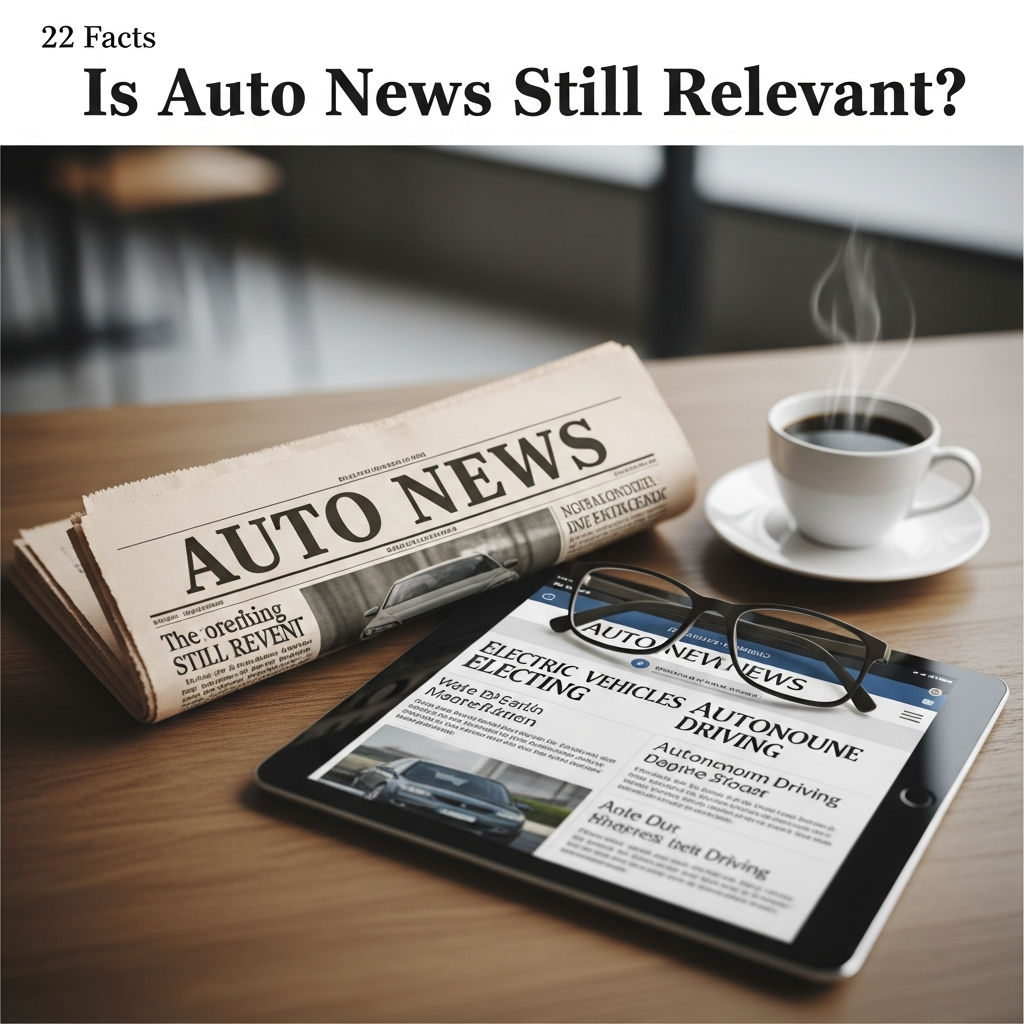
Is Auto News Still Relevant? 22 Facts About the Evolution of Automotive Journalism
For decades, automotive news was delivered via glossy monthly magazines and late-night television segments. Car enthusiasts would wait weeks to read about the latest engine specifications or track times. However, in the age of instant social media updates and influencer-driven content, many are asking: Is traditional auto news still relevant? The answer is a resounding yes, though the medium and the message have undergone a radical transformation.
As the industry shifts toward electrification, autonomous driving, and software-defined vehicles, the need for credible, timely information has never been higher. To understand the current landscape, we have compiled 22 facts that prove auto news is not only relevant but essential for the modern consumer and industry professional alike.
The Changing Face of Information Consumption
The way we consume news has changed, but the appetite for automotive updates remains at an all-time high. Here are the facts regarding the shift from print to digital and the diversification of content.
- 1. Digital Dominance: Traditional print circulation for car magazines has declined by over 50% in the last decade, but digital traffic to automotive news sites has grown by nearly 300%.
- 2. Video is the New Standard: Over 70% of car buyers report that watching video reviews is a critical part of their research process before visiting a dealership.
- 3. The Rise of the “Micro-News” Cycle: Breaking news about Tesla, Rivian, or Ferrari now reaches millions within minutes via platforms like X (formerly Twitter) and Threads, making the 24-hour news cycle feel slow.
- 4. Influencer Integration: Independent creators on YouTube and TikTok now command larger audiences than many legacy automotive publications, blending entertainment with technical reporting.
- 5. Long-Form Journalism Lives on Podcasts: While short-form video dominates social media, automotive podcasts have seen a 40% year-over-year growth, proving that enthusiasts still crave deep-dive discussions.
The Role of Technology and Electrification
One of the primary reasons auto news remains relevant is the sheer complexity of modern vehicles. As cars turn into “computers on wheels,” the general public requires expert guidance to navigate new technologies.
- 6. The EV Learning Curve: With the transition to Electric Vehicles (EVs), auto news serves as an educational tool for charging infrastructure, battery health, and range anxiety.
- 7. Software-Defined Vehicles (SDVs): News outlets are now reporting as much on software updates (Over-the-Air updates) as they are on horsepower, keeping owners informed about new features added post-purchase.
- 8. Autonomous Driving Realities: Auto news acts as a watchdog, separating the marketing hype of “self-driving” cars from the actual capabilities and safety limitations of ADAS systems.
- 9. Battery Tech Breakthroughs: Reporting on solid-state batteries and new chemistry types (like LFP) is crucial for investors and consumers looking to time their next vehicle purchase.
- 10. Cybersecurity Concerns: As cars become more connected, auto news increasingly covers vehicle hacking risks and data privacy, a beat that didn’t exist 15 years ago.
Market Dynamics and Consumer Power
Auto news isn’t just about the vehicles; it’s about the economy. Buying a car is the second-largest purchase most people make, and the news helps them protect that investment.
- 11. Inventory and Pricing Insights: During the chip shortage, auto news was the primary source for consumers to track “Market Adjustments” and find dealerships selling at MSRP.
- 12. The Used Car Bubble: Data-driven reporting on used car price indices (like Manheim) helps sellers and buyers understand when to enter the market.
- 13. Recall Transparency: News outlets provide a vital public service by highlighting safety recalls that might otherwise go unnoticed by owners who aren’t the original buyers.
- 14. Consumer Reports and Reliability: Aggregated data from news organizations regarding long-term reliability continues to influence manufacturer design choices.
- 15. Comparison Tests: Head-to-head comparisons remain the most-read articles in the industry, as they provide a side-by-side value proposition that manufacturer websites omit.
The Industry and Professional Impact
For those working within the sector, auto news is a business intelligence tool. It tracks the movements of competitors, the health of the supply chain, and the direction of global trade.

- 16. Supply Chain Monitoring: Professionals rely on auto news to track everything from lithium mining strikes in South America to semiconductor factory builds in Arizona.
- 17. Geopolitical Influences: News regarding trade tariffs (particularly between the US, EU, and China) is currently the most significant factor affecting EV pricing and availability.
- 18. Executive Shuffles: Leadership changes at companies like Ford, GM, or VW often signal massive shifts in corporate strategy, which are analyzed extensively by the automotive press.
- 19. The Death of the “Auto Show”: As traditional auto shows decline, news outlets have become the primary “virtual” showrooms where new models are unveiled to the world.
- 20. Regulatory Updates: From EPA emissions standards to Euro 7 regulations, auto news simplifies complex legal jargon for the general public and business owners.
The Future and Trust Factor
As we look toward the future, the relevance of auto news will hinge on one specific factor: trust. In an era of AI-generated content and paid advertisements disguised as reviews, the “human” element of journalism is more valuable than ever.
- 21. Combatting AI Misinformation: As AI-generated “clickbait” sites proliferate, established auto news brands are seeing a “flight to quality” from readers seeking verified facts.
- 22. The Community Aspect: Auto news sites host thriving comment sections and forums, creating a community of enthusiasts who validate or debunk news in real-time, keeping the industry accountable.
Why You Should Still Follow Auto News
If you are a car owner, a prospective buyer, or a tech enthusiast, auto news is your first line of defense against making a poor financial decision. In the past, you might have read car news because you loved the “mechanics” of a vehicle. Today, you read it because you need to understand the “ecosystem” of mobility.
The relevance of auto news has shifted from purely entertainment to essential consumer advocacy. Whether it is learning about a software glitch that affects your car’s braking or discovering a new tax credit for plug-in hybrids, the information provided by dedicated automotive journalists has a tangible impact on your wallet and your safety.
Final Thoughts
Is auto news still relevant? Absolutely. However, its form has morphed from a static monthly publication into a living, breathing digital entity. It is faster, more data-driven, and more inclusive of various viewpoints than ever before. As the automotive world continues to undergo its most significant transformation since the invention of the assembly line, the journalists and outlets that document this change are more important than they have ever been.
Staying informed means staying ahead. By following credible auto news sources, you aren’t just reading about cars—you are reading about the future of transportation, energy, and technology.